The Great Wildebeest Migration Explained
The Great Migration is the largest overland animal movement on Earth. Over 1.5 million wildebeest, 200,000 zebra, and 500,000 gazelle travel a continuous clockwise circuit through the Serengeti-Mara ecosystem, covering approximately 1,000 kilometers annually.
The Migration Calendar
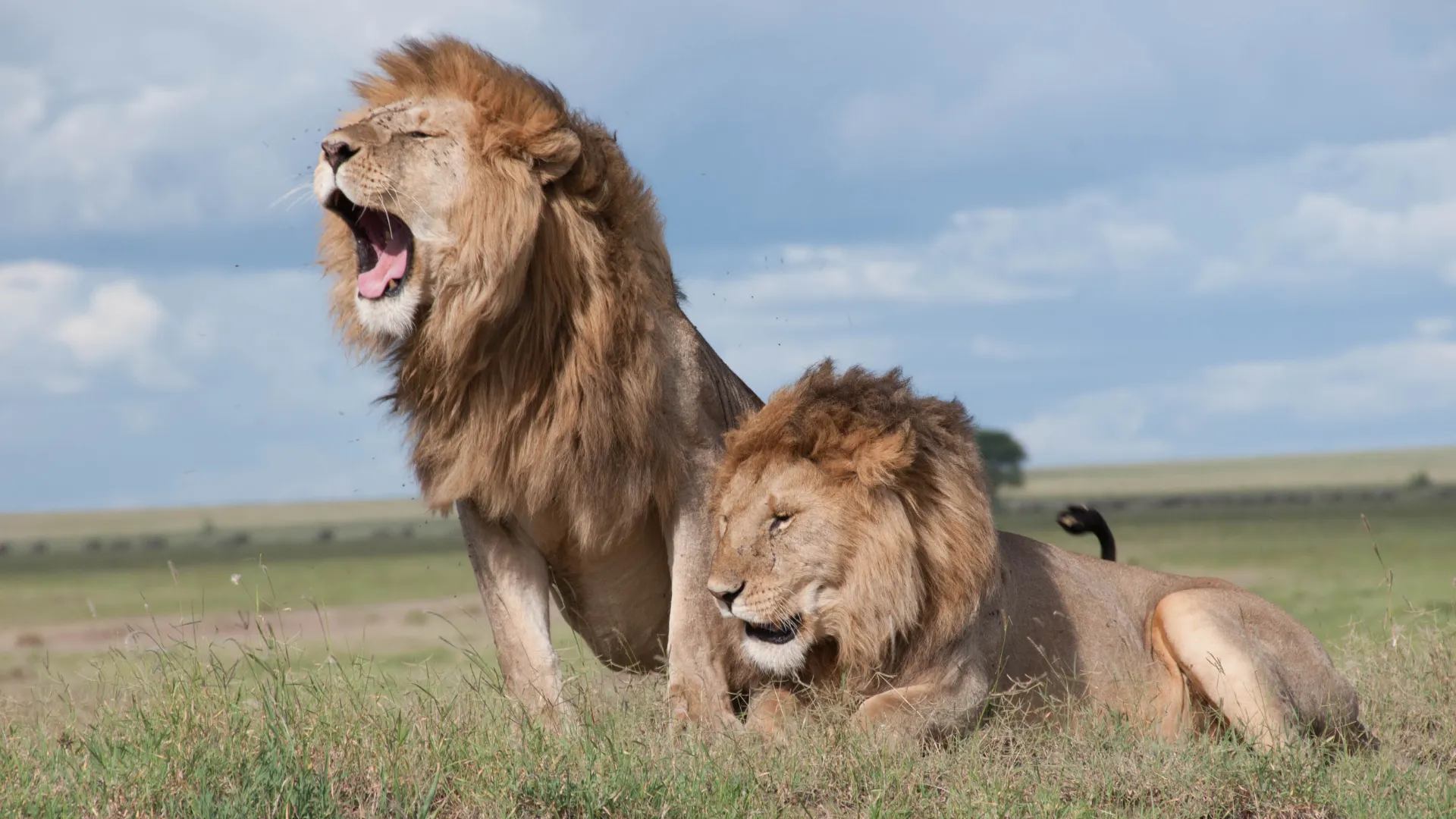
January-March (Southern Serengeti): Calving season. 500,000+ calves born in weeks. Predators feast. Short grass plains near Ndutu offer incredible visibility.
April-May (Central Serengeti): Herds begin moving northwest. Long rains make some areas inaccessible but the landscape is stunning green.
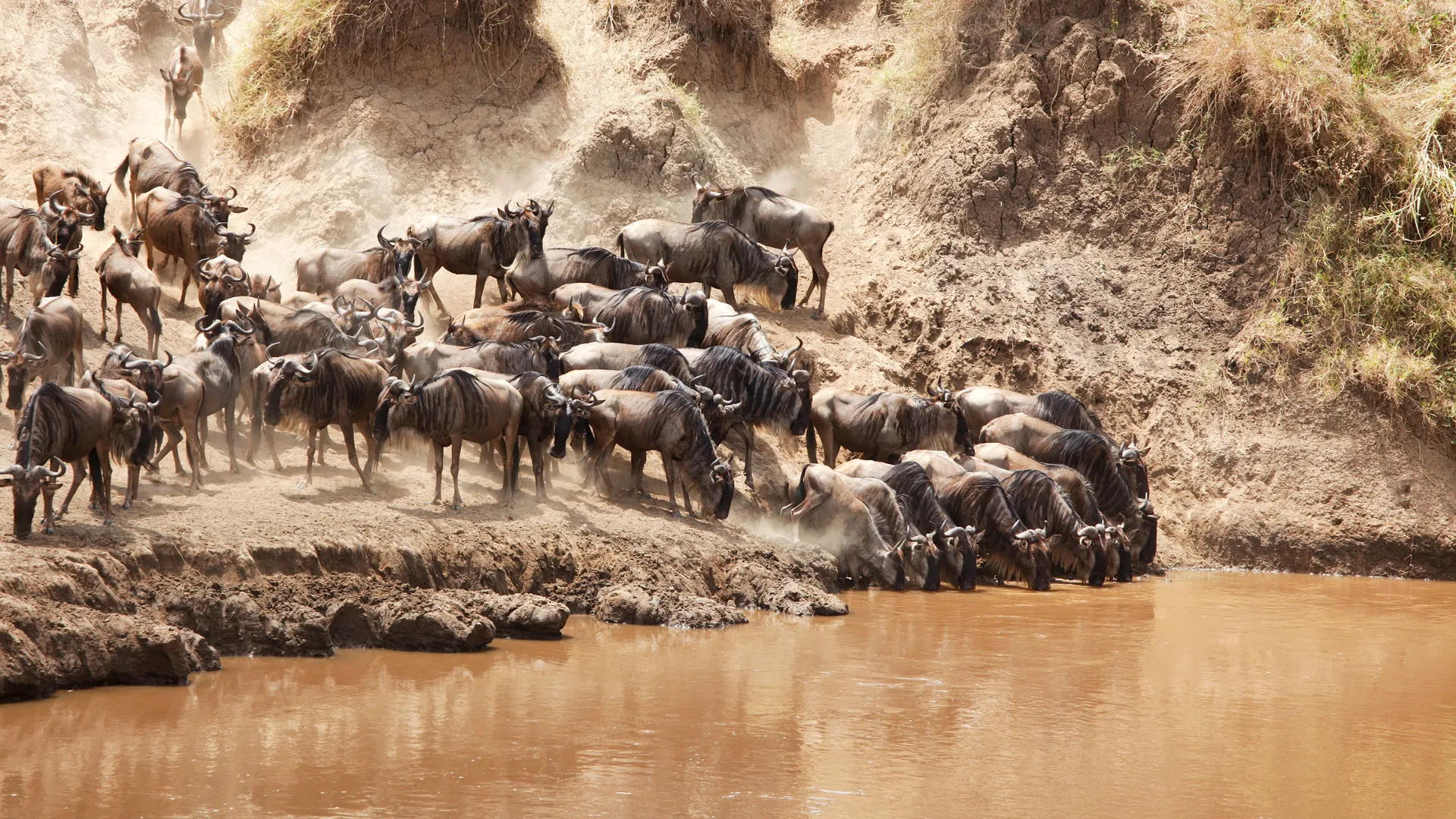
June-July (Western Corridor): Herds reach the Grumeti River. First major river crossings with massive Nile crocodiles. Less famous than Mara crossings but equally dramatic.
August-October (Northern Serengeti): The famous Mara River crossings. Herds cross and re-cross multiple times. This is the most photographed and dramatic phase.
November-December (Eastern Serengeti): Short rains trigger the return south. Herds spread across the eastern plains heading back to calving grounds.
River Crossings
Crossings are unpredictable — herds may gather at the river for days before crossing, or cross multiple times in one day. Patience is essential. The best strategy is to position yourself at known crossing points and wait.
Best Camps for Migration
Mobile camps that follow the herds offer the best experience. They relocate 2-3 times per year to stay with the migration. Fixed lodges in the northern Serengeti (Kogatende area) are ideal for August-October crossings.
Planning Your Migration Safari
Book 6-12 months ahead for peak season (July-October). Allow at least 3 nights in the migration area. Be flexible — nature doesn't follow schedules. A good guide who knows current herd locations is invaluable.