

USD
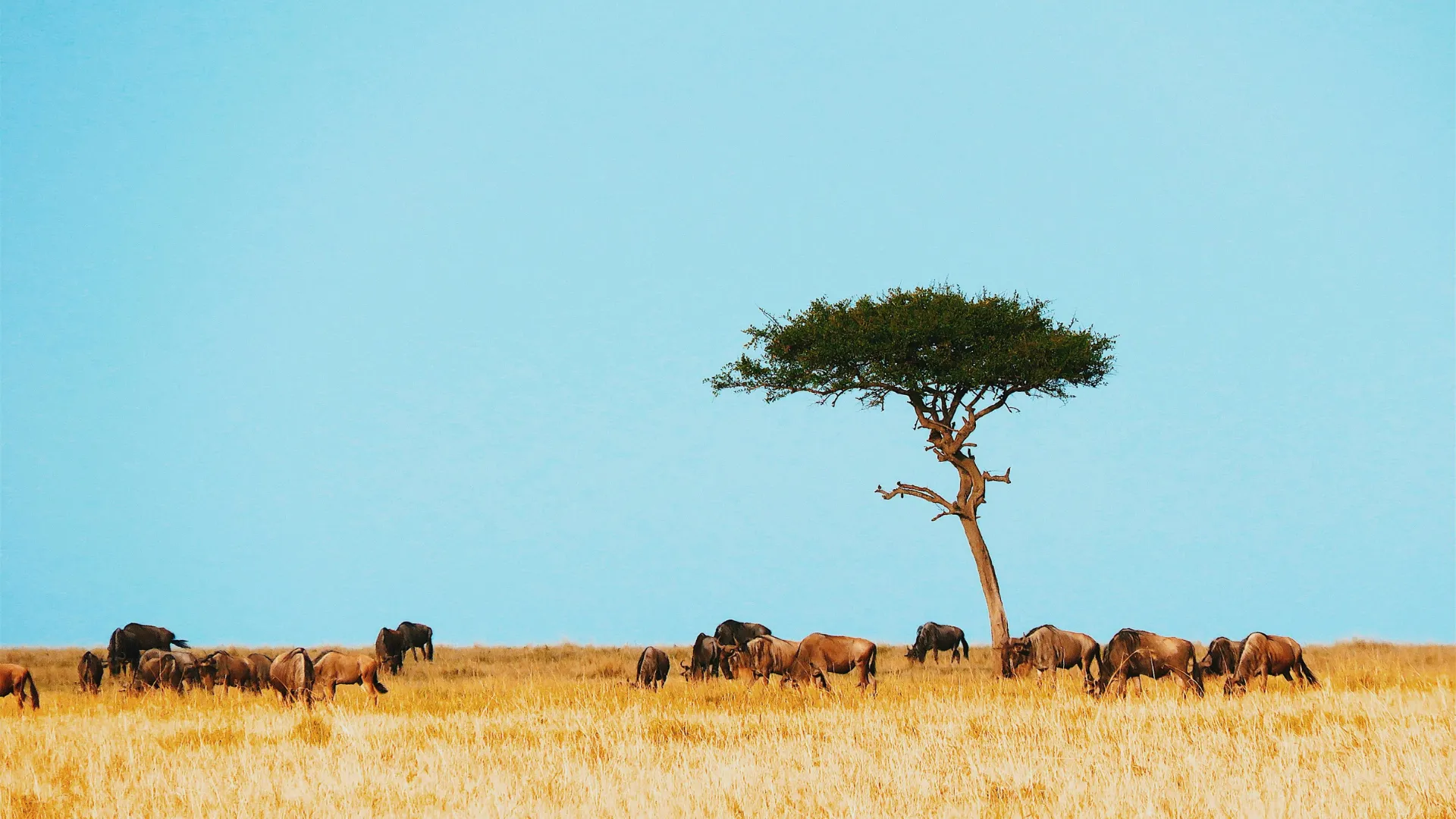
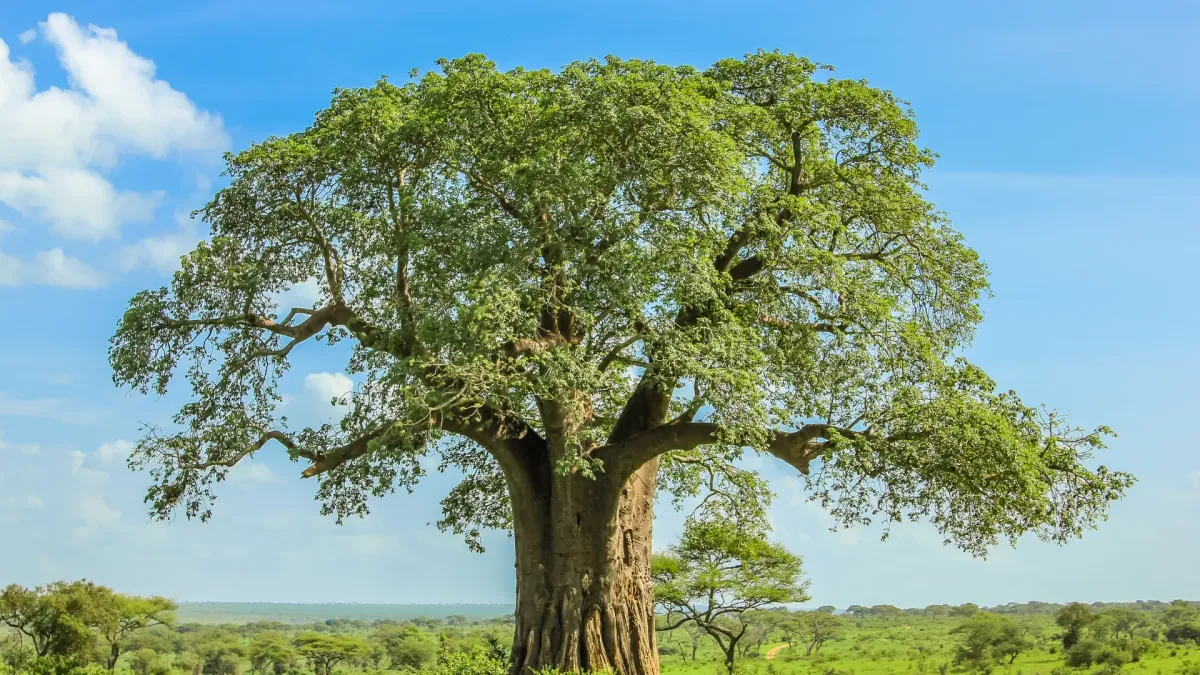
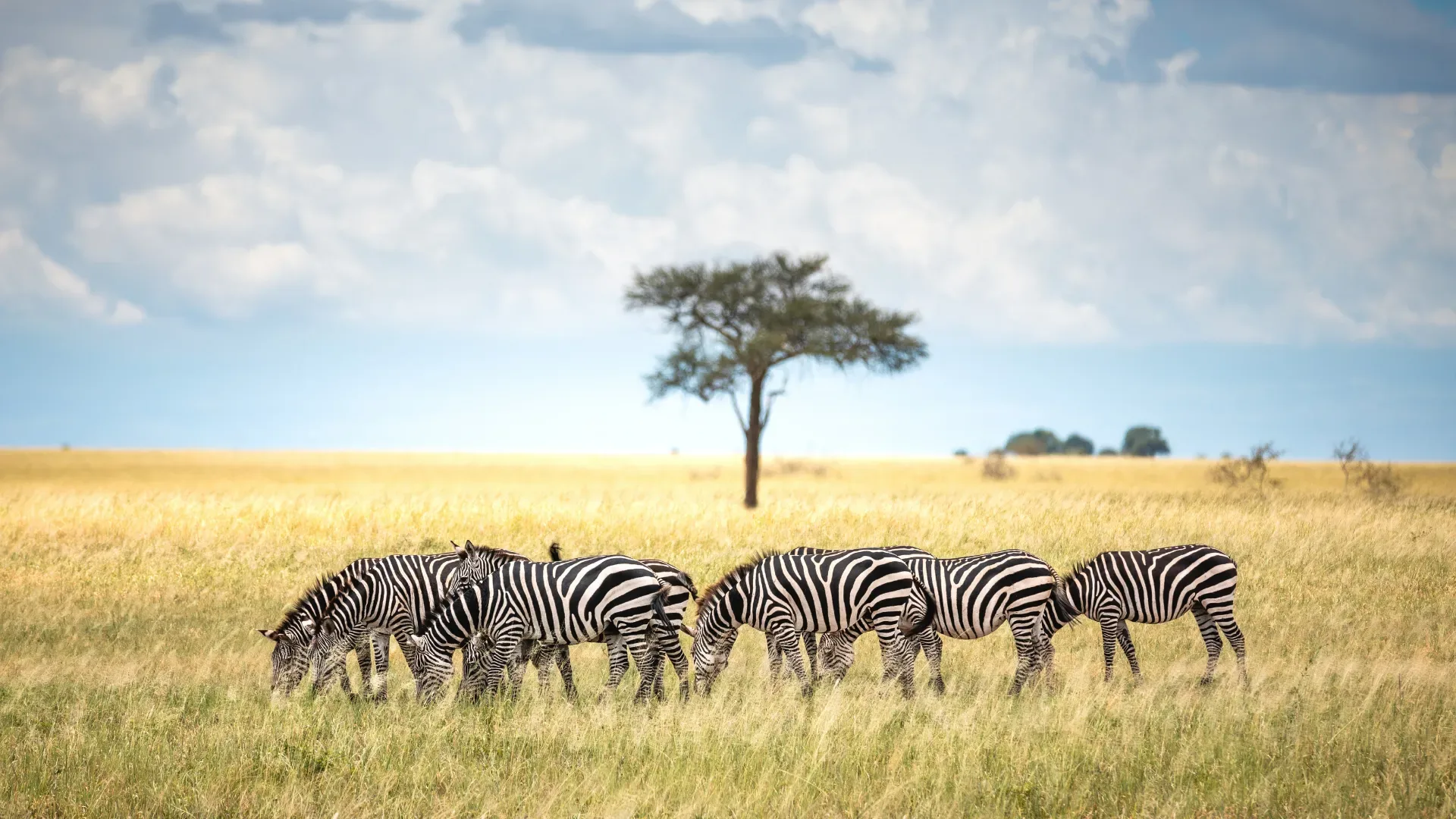
Tanzania landscape with acacia tree

Plan Your Journey

Essential Travel Tips for Tanzania

Everything you need to know to prepare for an unforgettable safari experience — straight from our local experts in Arusha.

🛂

Visa & Entry Requirements

Most nationalities can obtain a visa on arrival at Kilimanjaro International Airport (JRO) or via the Tanzania e-Visa portal. A single-entry tourist visa costs approximately $50 USD and is valid for 90 days.

Requirements:

  • Valid passport (at least 6 months remaining validity)
  • Return or onward flight ticket
  • Proof of accommodation (we provide this)
  • Yellow Fever vaccination certificate (if arriving from an endemic country)
🌤️

Best Time to Visit Tanzania

Tanzania offers year-round safari experiences, but the best time depends on what you want to see:

Dry Season (June — October): Peak safari season. Wildlife concentrates around water sources, making game viewing exceptional. The Great Migration river crossings happen in July—September in the northern Serengeti.

Green Season (November — May): Fewer crowds, lush landscapes, calving season in the Ndutu area (January—February), and lower rates. Birding is spectacular during this period.

Shoulder Months (November & March—May): Excellent value with good wildlife sightings and fewer vehicles on the game drives.

🎒

What to Pack

Packing light is key — most camps and lodges offer laundry services. Here's what we recommend:

Clothing:

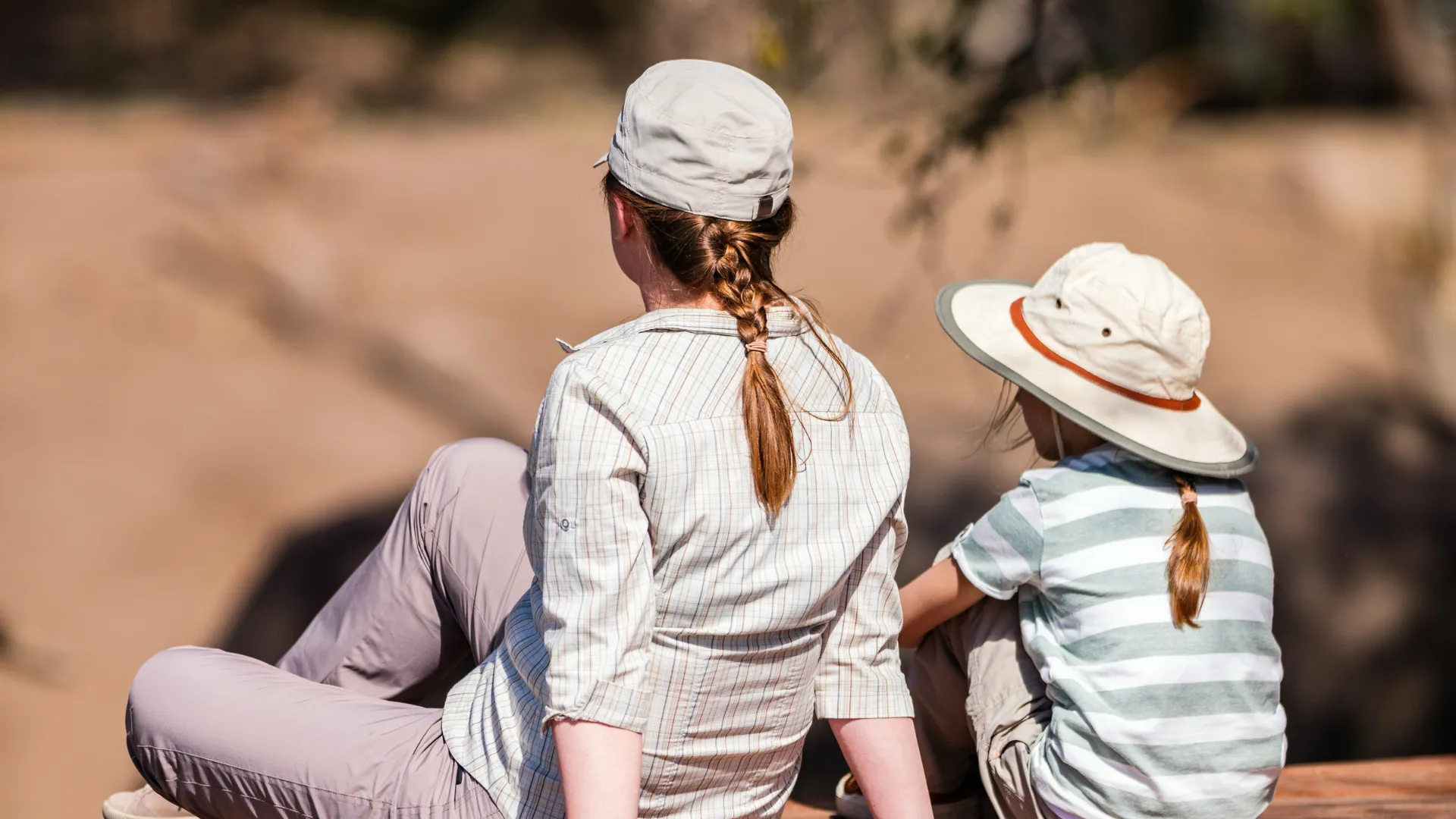
  • Neutral-colored clothing (khaki, olive, beige) — avoid bright colors
  • Lightweight long sleeves and trousers (sun & insect protection)
  • Warm fleece or jacket for early morning game drives
  • Comfortable walking shoes and sandals
  • Wide-brimmed hat and quality sunglasses

Gear:

  • Binoculars (essential for birdwatching)
  • Camera with a zoom lens (200mm+)
  • Headlamp or small flashlight
  • Reusable water bottle
  • Power bank and universal adapter
🏥

Health & Safety

Tanzania is generally safe for tourists, but taking precautions ensures a worry-free trip:

Vaccinations: Yellow Fever (required if coming from endemic areas), Hepatitis A & B, Typhoid, and routine immunizations. Consult your travel doctor at least 6 weeks before departure.

Malaria Prevention: Tanzania is in a malaria zone. Antimalarial medication is recommended. Pack insect repellent (DEET-based), and use the mosquito nets provided at camps.

Travel Insurance: Comprehensive travel insurance covering medical evacuation is strongly recommended. We can advise on reputable providers.

💵

Currency & Payments

The Tanzanian Shilling (TZS) is the local currency, but US Dollars are widely accepted for tourism services.

Tips:

  • Carry small-denomination USD bills ($1, $5, $10, $20) for tips and markets
  • Bills must be post-2006 series (older bills are often rejected)
  • Credit cards are accepted at major hotels and lodges (Visa/Mastercard preferred)
  • ATMs are available in Arusha and major towns — but not in national parks
  • Inform your bank of your travel dates to avoid card blocks
🦁

Safari Etiquette

Respecting wildlife and your guides creates the best experience for everyone:

  • Stay in the vehicle unless your guide says otherwise
  • Keep noise levels low — animals are sensitive to sound
  • Never feed wildlife or throw litter
  • Follow your guide's instructions at all times
  • Respect distance from animals — your guide will position the vehicle safely

Tipping Guidelines:

  • Safari guide: $15—25 per person per day
  • Cook/camp staff: $10—15 per person per day
  • Porter (Kilimanjaro): $10—15 per person per day
  • Hotel/restaurant staff: 10% of the bill
🤝

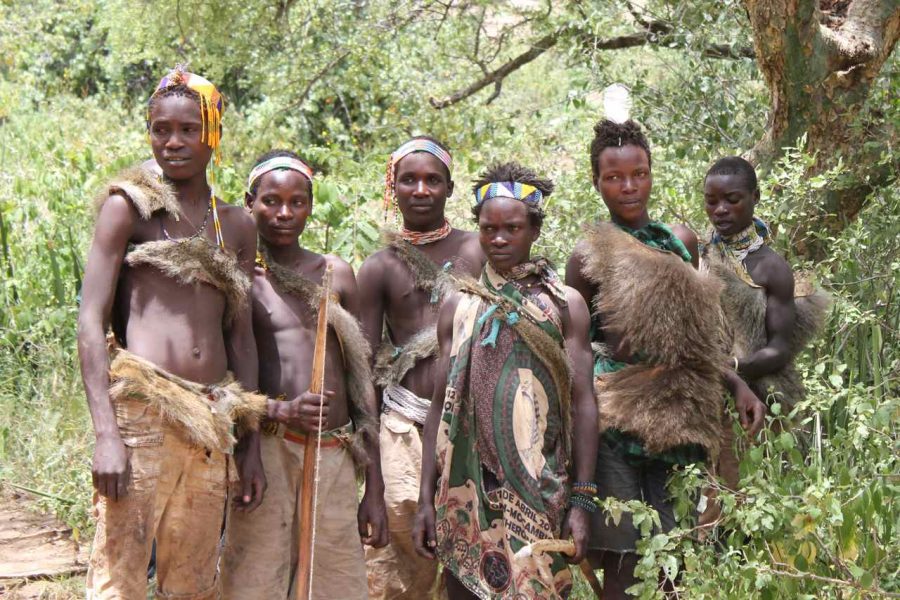
Cultural Awareness

Tanzania is a culturally rich and diverse country with over 120 ethnic groups. Showing respect goes a long way:

  • Greetings matter — "Jambo" (hello) and "Asante" (thank you) are always appreciated
  • Ask permission before photographing people, especially Maasai communities
  • Dress modestly in towns and villages — cover shoulders and knees
  • Use your right hand when giving or receiving items
  • Remove shoes when entering someone's home
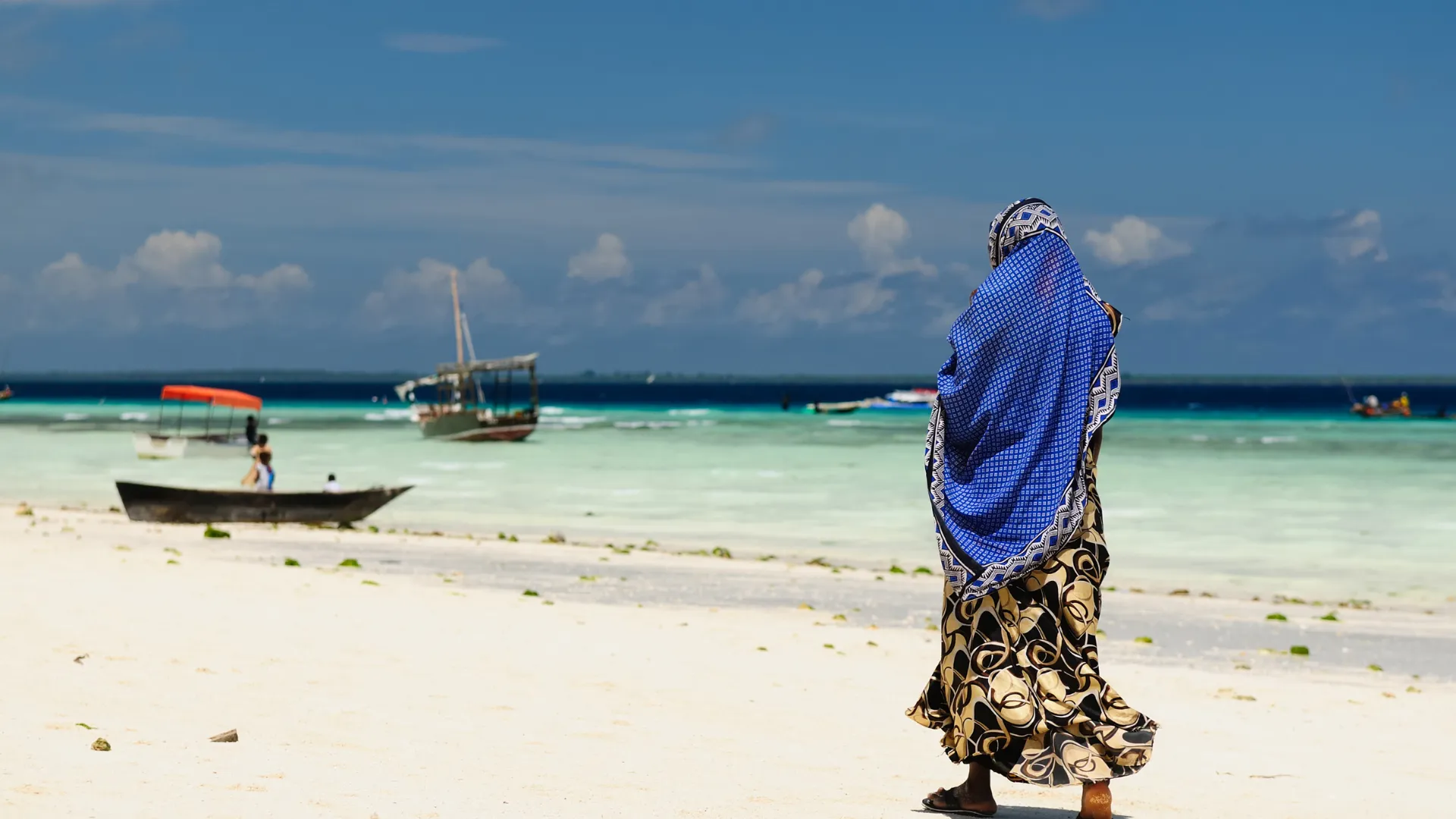
  • Zanzibar is predominantly Muslim — dress conservatively and respect prayer times

Our guides are deeply knowledgeable about local customs and will help you navigate cultural interactions with ease and respect.

Ready to Start Planning?

Our safari specialists in Arusha are here to answer your questions and help craft a journey tailored to you.

AI Safari Agent

Hello! Need help planning your safari?

Online now