Ngorongoro Crater: Africa's Garden of Eden
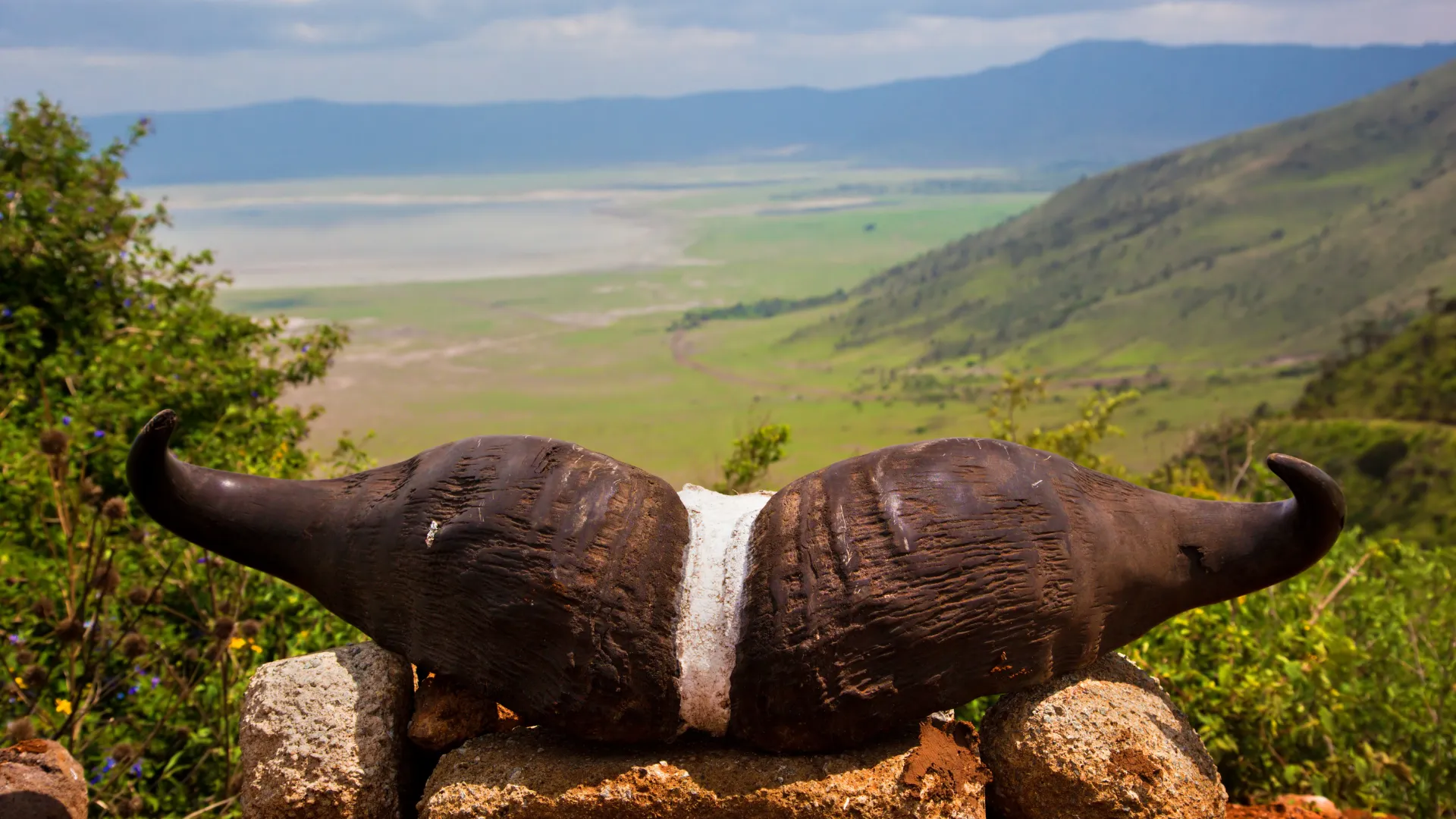
The Ngorongoro Crater is one of Africa's most remarkable natural wonders. This UNESCO World Heritage Site is the world's largest intact volcanic caldera, spanning 260 square kilometers and home to approximately 25,000 large animals.
What Makes Ngorongoro Special?
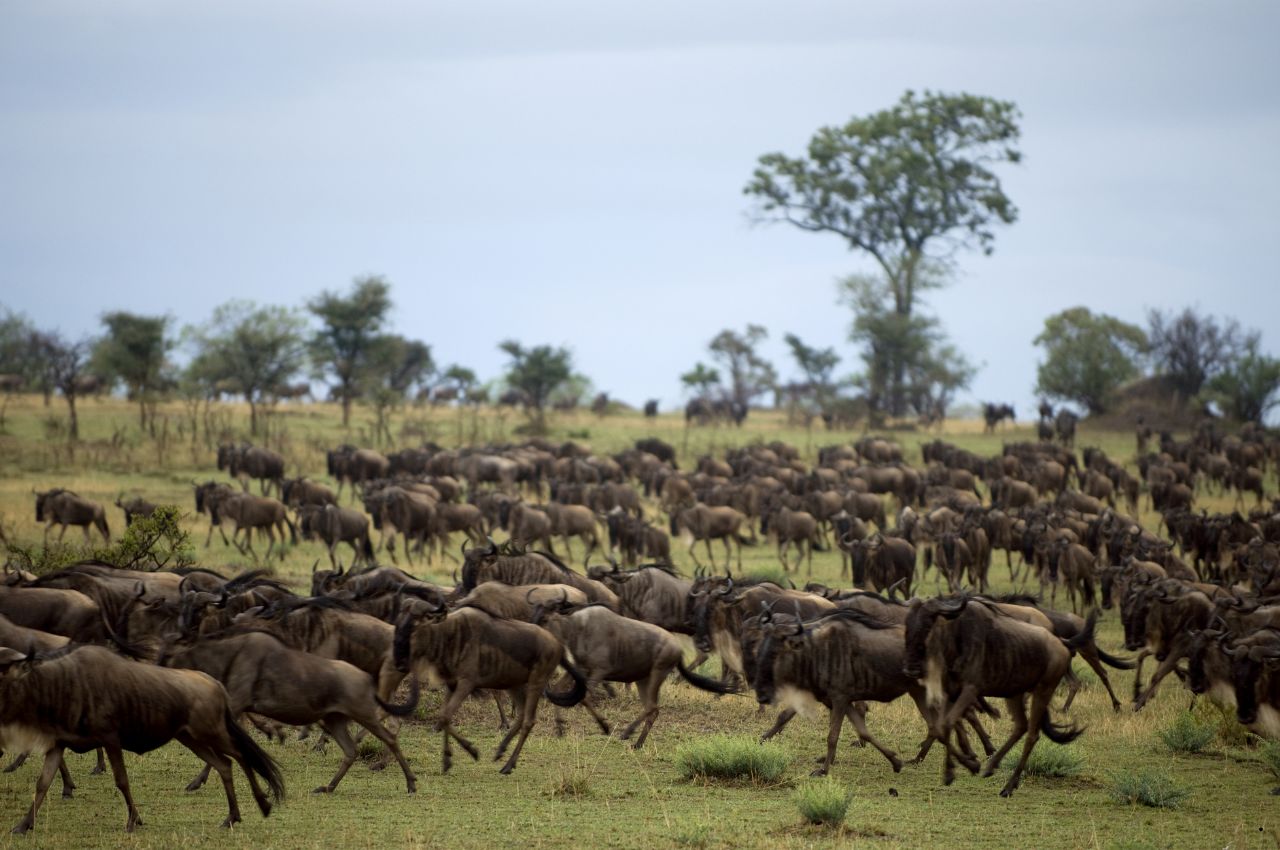
The crater walls rise 600 meters above the floor, creating a natural enclosure where wildlife thrives year-round. Unlike the Serengeti where animals migrate, Ngorongoro's residents stay put — making Big Five sightings almost guaranteed.
Wildlife You'll See
The crater is one of the best places in Africa to spot the endangered black rhino (approximately 26 remain here). Lions, elephants, buffalo, leopards, hippos, flamingos, and hyenas are commonly seen. The crater floor supports diverse habitats: forest, swamp, lake, and open grassland.
Best Time to Visit
June to October offers dry weather and excellent visibility. January to March brings the calving season nearby. The crater is spectacular year-round, though April-May rains can make roads muddy.
Practical Information
Entry fee: $70 per person per 24 hours. Vehicle fee: $295 per vehicle for crater descent. Maximum 6 hours on the crater floor. Vehicles must enter by 7am and exit by 6pm. No walking is permitted on the crater floor.
Tips for Your Visit
Start early (6am gate opening) for best light and fewer vehicles. Bring warm layers — the crater rim is cold at 2,200m elevation. Pack binoculars for rhino spotting. Allow a full day for the crater experience.